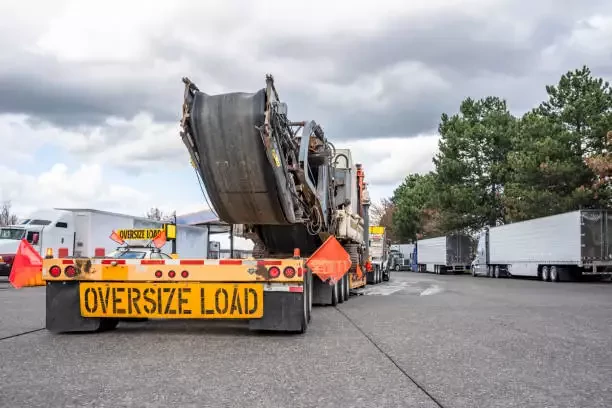
Top Tips for Safe and Efficient Heavy Equipment Transport
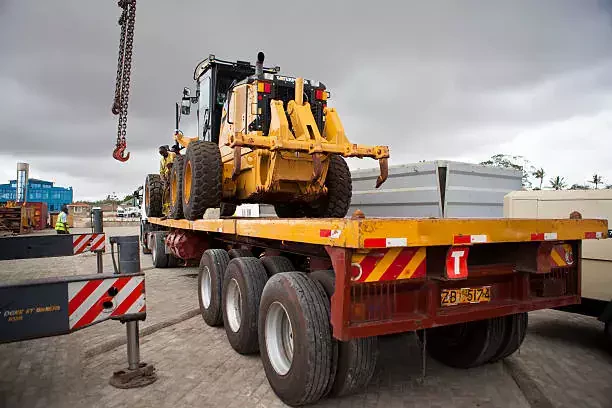
When your business needs to relocate large machinery or costly construction gear, selecting the right heavy equipment transport providers can make all the difference between a seamless move and costly delays. Transporting heavy equipment isn’t like moving boxes; it requires careful planning, specialized trucks, experienced drivers, and strong coordination. The stakes are high, as any damage or misstep can result in expensive repairs, lost production time, and serious safety concerns. That’s why understanding how to choose a reliable partner is essential.
Choosing the right transport provider isn’t just about getting a truck and driver. It’s about trusting a company to handle oversized loads, navigate permits, and protect your valuable assets from pick‑up to delivery. Whether you’re moving bulldozers, excavators, industrial generators, or forklifts, the right carrier can save you time and money while giving you peace of mind. In this article, we’ll break down the key factors to consider, helping you make an informed decision.
Know What Your Equipment Needs
The first step in choosing a transport provider is understanding the specific requirements of the equipment you need to move. Heavy machinery comes in many shapes and sizes, and different loads have different transport needs. For example, a compact backhoe might fit on a standard lowboy trailer, while oversize earthmovers may require multi‑axle trailers or permit escorts.
Evaluate the equipment’s dimensions, weight, and fragility before contacting transporters. This information helps you receive accurate quotes and ensures the provider has the right equipment and trailers to handle your load. If the provider lacks the appropriate gear, it might lead to last‑minute changes, higher costs, and potential safety hazards.
Verify Licensing and Insurance
A reliable transport company should be fully licensed and insured to handle heavy equipment moves. Always confirm that the provider holds the appropriate operating authority from transportation authorities and has insurance coverage that protects your equipment in transit. This includes liability coverage and cargo insurance tailored for heavy loads.
Evaluate Equipment and Fleet
Assessing a provider’s fleet is another important step. Reliable transport companies maintain well‑kept, modern equipment, including trailers, trucks, and securement tools. Older or poorly maintained vehicles are more likely to encounter breakdowns or compromise load safety.
Ask questions about how often their fleet is serviced, what types of trailers they use, and how they secure heavy machinery during transport. A reputable company will be transparent about these practices and may even invite you to inspect their fleet before making a decision.
Understand Permitting and Routing Expertise
Heavy equipment frequently exceeds standard size and weight limits, meaning special permits are often required. Navigating the permitting process can be complex, involving multiple state or local jurisdictions. Reliable transport providers should handle this process for you, ensuring all necessary permits are obtained well before departure.
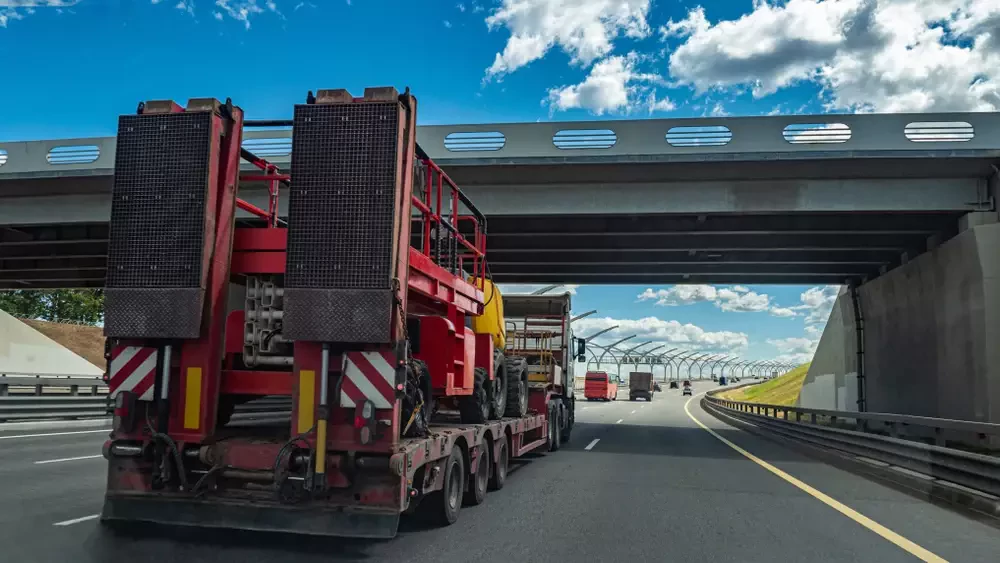
In addition, routing expertise is crucial when moving oversized loads. Experienced carriers know which roads, bridges, and underpasses can support heavy equipment, helping avoid delays or, worse, route blockages. Ask providers how they approach route planning and whether they coordinate with authorities for oversize transport needs.

Transparent Pricing and Clear Contracts
Price is always a consideration, but it shouldn’t be the sole deciding factor. Extremely low quotes can signal cut corners or hidden fees. A trustworthy provider will offer transparent pricing that includes all expected costs, such as permits, escorts, and fuel surcharges. They should also explain how and when payments are due.
Your contract should clearly outline services, delivery windows, insurance coverage, responsibilities, and any additional fees. Take time to read the fine print and ask questions about anything that’s unclear. A clear, written agreement protects both you and the transport company, preventing misunderstandings later on.
Communication Matters
From initial inquiry to final delivery, effective communication is vital. You want a provider who responds promptly to questions, keeps you updated on scheduling changes, and provides clear points of contact throughout the process. Poor communication can lead to missed deadlines, confusion at pick‑up or drop‑off, and added stress.
Gauge a company’s communication style early on. If they’re slow to respond or vague in their answers during the quote stage, that might reflect how they’ll operate throughout the project. A responsive team signals professionalism and respect for your timeline.
Final Thoughts
Selecting the right heavy equipment transport company is a strategic decision that affects your timelines, budget, and operational continuity. By focusing on experience, reputation, licensing, communication, and transparent contracts, you can confidently choose a provider that delivers your machinery safely and reliably.